Small Genes. Big Advances.
Where gene cloning meets allergy innovation
Why We Do What We Do
We believe cloning is not something to be scared of—but rather a useful tool for research. Even the smallest allergens deserve to have a cure. With treatment, individuals can experience significant improvement in their quality of life.


Cloning—Ethical or Not?
There has been a moral debate about whether cloning is ethical, especially human cloning. Due to speculation, the American Medical Association (AMA) has established regulations on the extent of cloning that researchers may perform. Medical professionals are not allowed to clone an individual’s cells without their informed consent. As for animal cloning, it was demonstrated in practice with Dolly the Sheep in 1996, which sparked further debate.
Researchers released a survey asking people whether they believed cloning was ethical and what they thought of its various applications. The consensus was that many were in favor of cloning, only if done for medical reasons, such as research on allergens. However, there were negative opinions about cloning being used to create a genetically identical animal. And there were neutral opinions on increased food production from cloning.
Researched Allergens
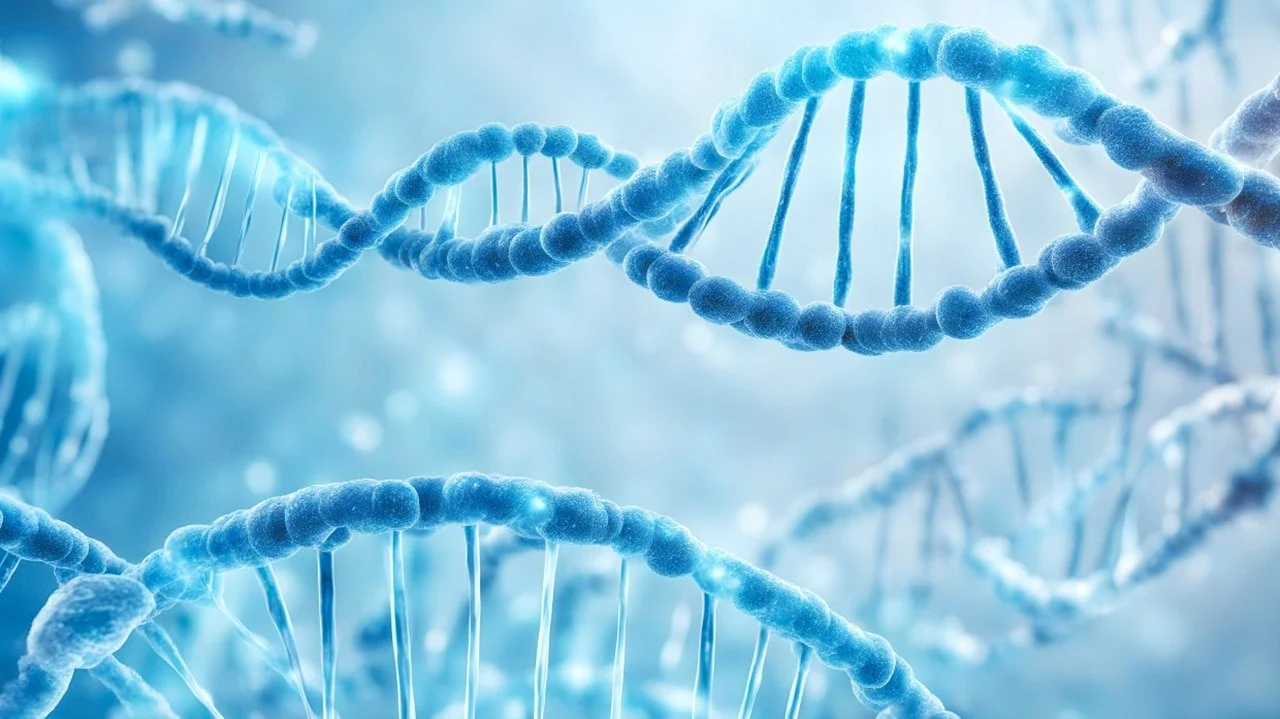
We focus on allergens that affect everyday life—like dust mites, ragweed pollen, and peanuts. By studying these at the genetic level, researchers can better understand what causes reactions and how to reduce them. Each discovery brings us closer to safer, more effective treatments.
Ragweed Pollen Allergen
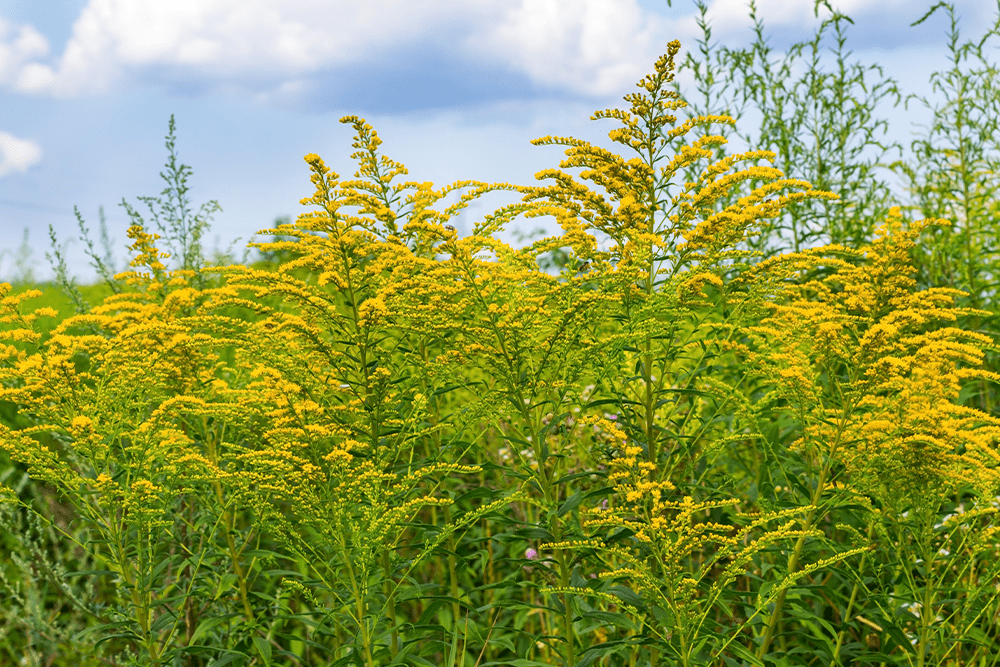
Ragweed is a dominant allergen in China. By extracting ragweed pollen, we combined the gene with recombinant DNA and observed protein expression. We’ve amplified and tested the D106 gene's reactivity. We developed a treatment for the allergen that helps make the reaction manageable.
Dust Mite Allergen
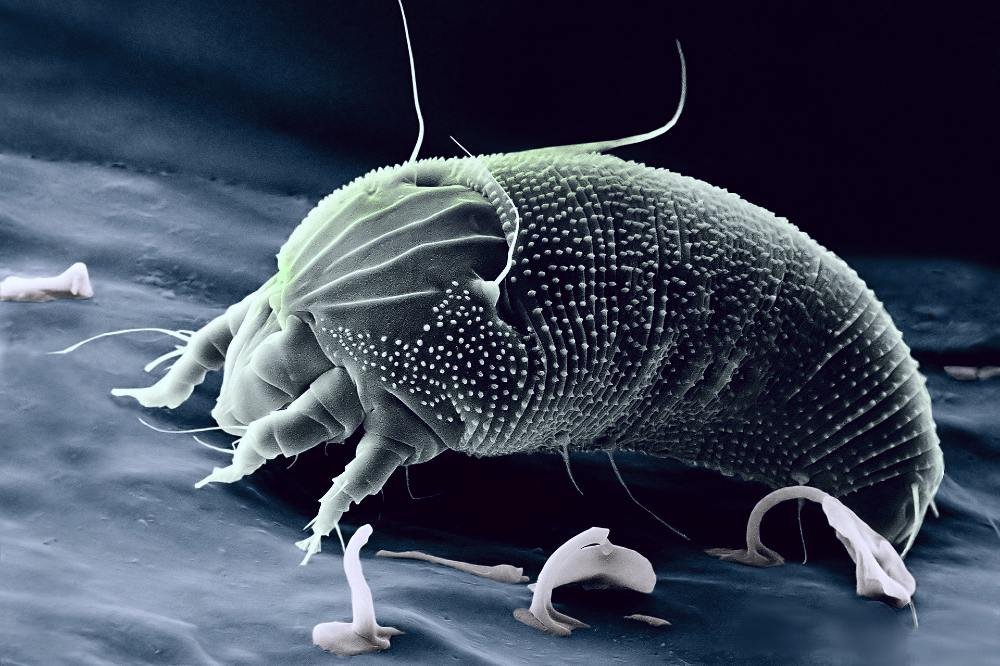
Dust mites affect populations worldwide, causing asthma, eczema, congestion, and even anaphylaxis. By combining the gene with recombinant DNA and using mite extracts, we observed protein expression. We’ve amplified and tested the reactivity at the Der f 8 gene. From there, we created a treatment for the allergen, mellowing symptoms for those who react.

Peanut Allergen
Peanut allergies are among one of the most common allergens that cause severe and fatal reactions, with 1% of children being affected. Reactions like anaphylaxis are common in people who have a peanut allergy. By extracting the allergenic components of peanuts, we combined the gene with recombinant DNA and observed protein expression. We’ve amplified and tested the reactivities of the proteins, Ara h 1 and Ara h 2. We developed a treatment for the allergen that calms symptoms in those who react.
Have Questions?
Send us a note and let’s figure things out together.