Cloning—What Is It?

Many people believe that cloning is creating an exact copy of an individual, which causes many people to consider the ethicality of the practice. However, most cloning practiced today is gene cloning, which allows researchers to develop treatments for allergens.
When cloning an exact copy of an organism, such as an animal, somatic cell nuclear transfer (SCNT) is used. However, for gene cloning, plasmids and bacteria are used to clone genes present in a cell. This technique is called cell mass division, or molecular cloning.
Somatic Cell Nuclear Transfer (SCNT)
Dolly raised many ethical concerns about what else cloning is capable of. Due to this, the general population is usually unaware of its other applications for people born with genes that predispose them to allergies and sickness. The public’s disapproval has led to restrictions on cloning and biotechnology.
When animal biotechnology was first introduced to the public, public support was low. Many saw it as unnecessary, unnatural, and dangerous. Based on surveys, medical applications of cloning, typically performed through cell mass division, are viewed positively. Meanwhile, cloning for increased food production was viewed negatively due to potential health risks, whereas non-food applications were viewed neutrally.
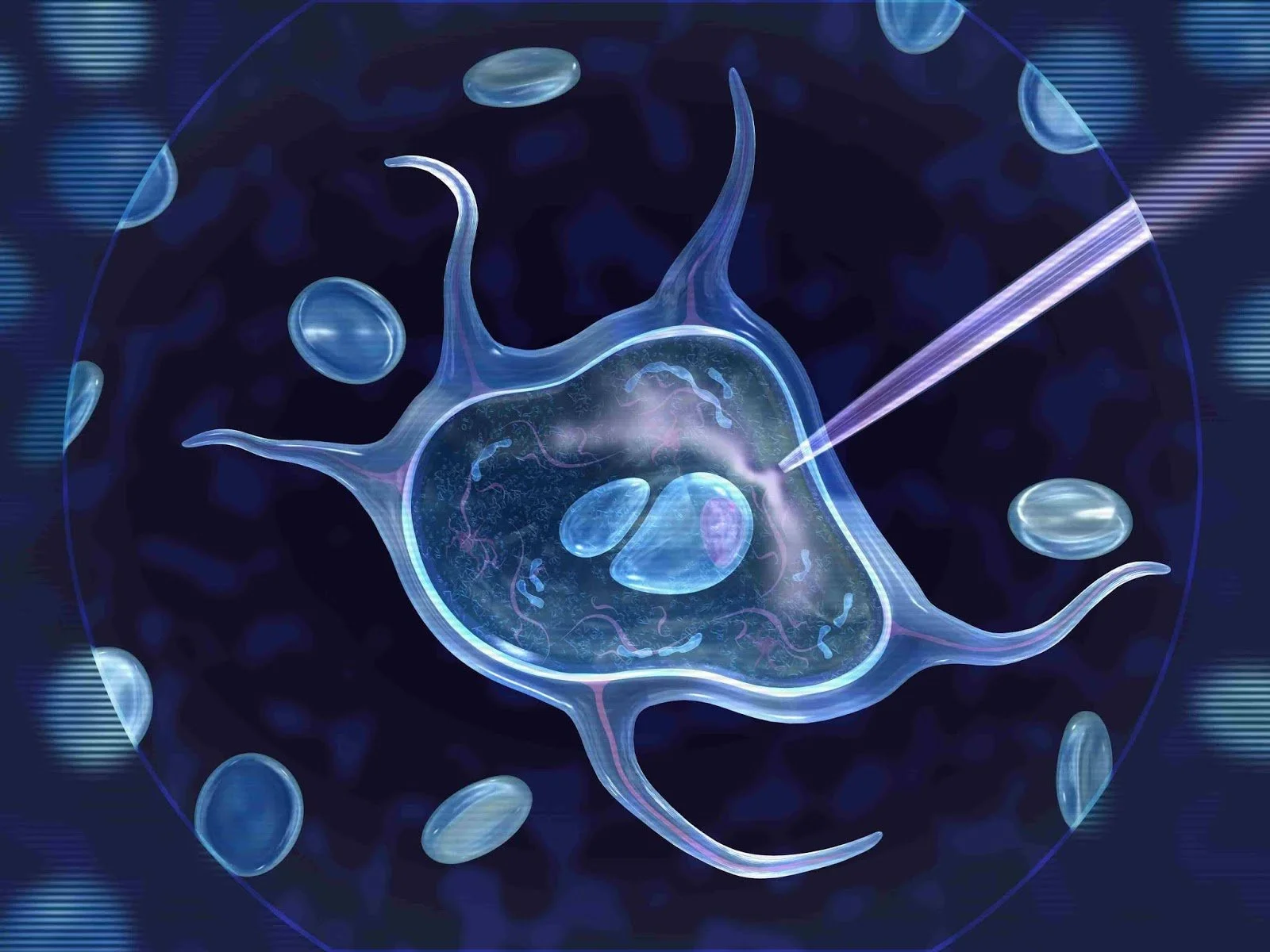
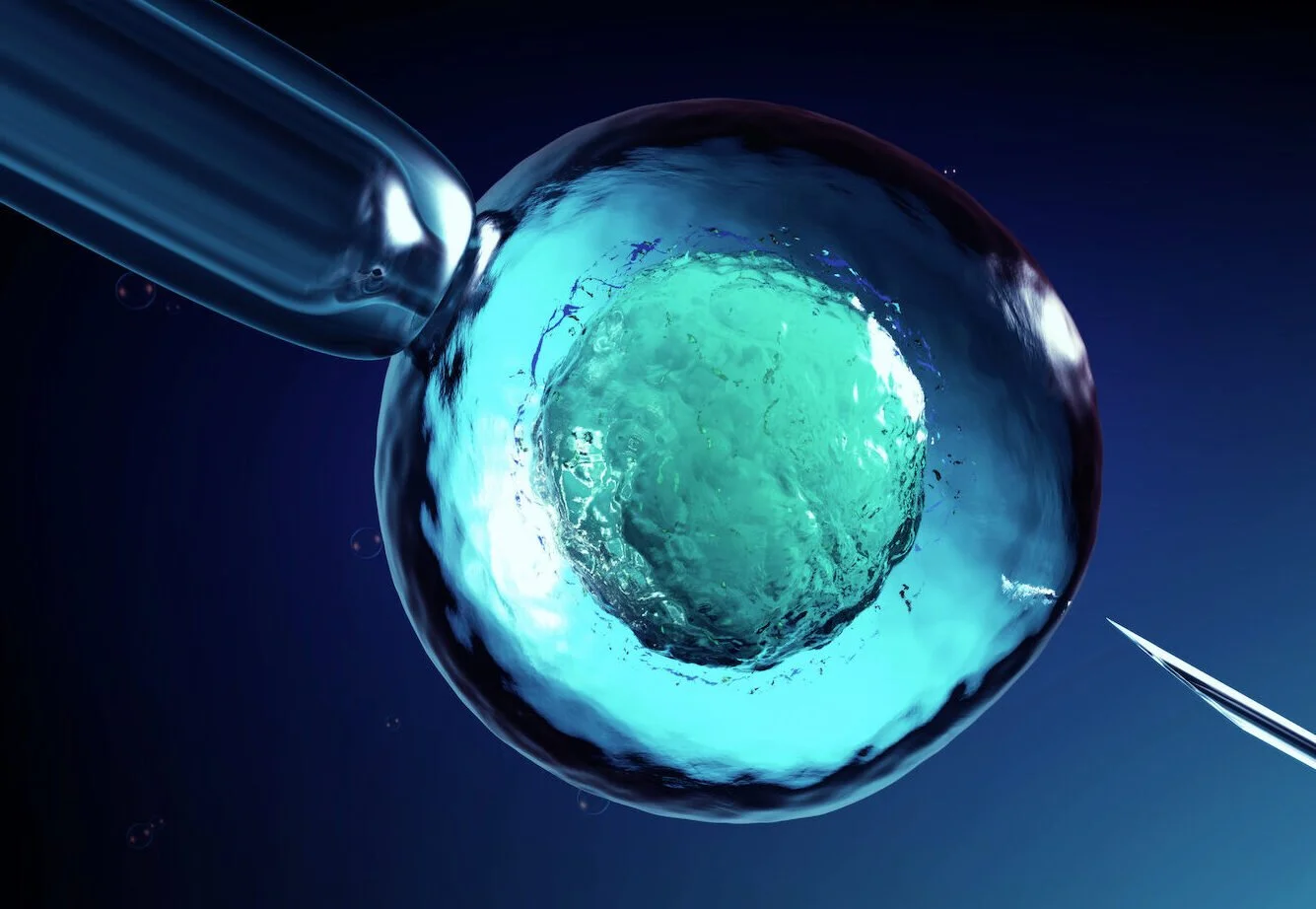
Somatic cell nuclear transfer (SCNT) is an artificial technique that produces an exact clone of the parent organism. To accomplish this, geneticists take a somatic cell from the organism that contains its DNA. Then, an egg cell is taken, and its nucleus is removed. The DNA from the somatic cell is introduced into the egg cell, and an electric shock is applied to trigger meiosis and division. One of the divided cells develops into an embryo and is implanted into a surrogate to receive the proper nutrition. Once the embryo grows, it is born as a replica of the original organism. Somatic cell nuclear transfer can produce many clones, since it’s established in a laboratory.
An example of artificially producing an exact clone is Dolly the Sheep. Dolly was the first mammal successfully cloned from a single parent. Dolly was born on July 5, 1996, and she died on February 14, 2003, after being diagnosed with progressive lung disease.
Molecular cloning is specifically used to clone genes. First, researchers isolate the gene they want to amplify. Then, restriction enzymes are used to cut a gene from a DNA sequence to cut a plasmid from a bacterium. The isolated gene is inserted into the plasmid, forming recombinant DNA. Recombinant DNA is DNA from different sources that is mixed to create a single DNA molecule. Through transformation, the plasmid containing the recombinant DNA is reinserted into the bacterium, leading to rapid multiplication. Once the gene they’re researching is expressed in the bacterium, the bacterium produces an allergen protein. Scientists can then study the protein and develop a treatment. Society agrees that cloning for medical purposes is ethical.

Molecular Cloning
Have a Cloning Question? Ask Away!
Share a few details in the form below and we’ll get back to you with personalized guidance.